From Lagos to Los Angeles: How Afrobeats Took Over American Pop Culture
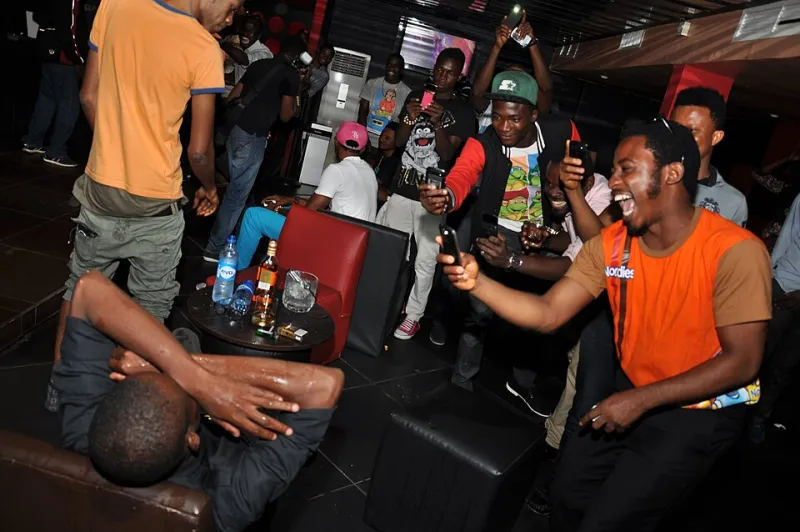
Photo: Jibrin Reuben, CC BY-SA 4.0, via Wikimedia Commons
Not long ago, if you'd told someone at a top-40 radio station in Ohio that a genre rooted in West African rhythms, Yoruba lyrics, and Lagos nightclub energy would be dominating Billboard charts, you'd have gotten a polite smile and a subject change. Fast forward to today, and Burna Boy is selling out arenas, Wizkid's collabs are racking up hundreds of millions of streams, and Afrobeats playlists are a fixture on every major streaming platform in the country. So how exactly did this happen?
The Sound That Wouldn't Stay Quiet
Afrobeats — not to be confused with the older Afrobeat genre pioneered by Fela Kuti — is a contemporary fusion style that blends West African highlife, dancehall, hip-hop, and R&B into something infectious and distinctly modern. The genre has been huge across Africa and in diaspora communities in the UK and Europe for well over a decade. In the US, though, its mainstream breakthrough took a little longer.
For years, Afrobeats thrived in pockets. Nigerian and Ghanaian community events in cities like Houston, Atlanta, and New York were early incubators. DJs at college parties started slipping in tracks from Davido and Tiwa Savage alongside Top 40 hits. The crowd response was impossible to ignore — people who had never heard these artists before were moving differently, asking questions, pulling out their phones to Shazam songs mid-dance.
That underground word-of-mouth energy was the first engine. But something bigger was coming.
TikTok Changed Everything
If there's one platform that accelerated Afrobeats' US crossover more than any other, it's TikTok. The app's algorithm doesn't care about geography or radio play history — it cares about engagement. And Afrobeats, with its inherently danceable rhythms and expressive vocal styles, was practically built for short-form video.
Tracks like CKay's "Love Nwantiti" became genuine viral phenomena, racking up billions of streams after TikTok users around the world created dance challenges and lip-sync videos. The song spent months on the Billboard Hot 100 without any traditional US radio push behind it. It was pure algorithm magic, powered by authentic enthusiasm from everyday listeners.
Similarly, Fireboy DML's "Peru" found a second life on TikTok, eventually landing a remix featuring Ed Sheeran — a collaboration that would have seemed unlikely even three years earlier. These weren't manufactured crossovers engineered by label executives. They were organic, community-driven moments that the industry scrambled to catch up with.
The Streaming Data Tells the Story
The numbers are hard to argue with. Spotify reported that streams of Afrobeats tracks in the United States grew by over 550% between 2017 and 2022. Apple Music created dedicated Afrobeats charts. Amazon Music launched curated playlists targeting American listeners curious about the genre. Even YouTube Music, which has long been a dominant platform for Nigerian and Ghanaian audiences globally, saw massive increases in US-based listening.
Burna Boy's Grammy win in 2021 for Best Global Music Album was a watershed moment — not just symbolically, but practically. It gave American music industry gatekeepers a framework to take Afrobeats seriously on their own terms. Award recognition tends to open doors that streaming numbers alone sometimes can't.
Wizkid's "Essence" featuring Tems became arguably the defining crossover moment of the era. The track peaked inside the top 10 of the Billboard Hot 100 and introduced millions of American listeners to the smooth, unhurried groove that defines contemporary Afrobeats at its best. Tems, in particular, emerged as a breakout star in her own right, later appearing on Beyoncé's "Black Is King" and collaborating with Future on a track that hit number one.
Cultural Shifts and Community Connections
The music doesn't exist in a vacuum, and that's a big part of what makes this story interesting. Afrobeats' rise in America coincides with a broader cultural moment in which African fashion, food, film (hello, Nollywood on Netflix), and art are all gaining mainstream visibility. The genre is part of a larger tapestry.
For African American communities, Afrobeats has sparked meaningful conversations about shared heritage and Pan-African identity. For younger first- and second-generation Nigerian, Ghanaian, and Senegalese Americans, seeing their home culture reflected back in mainstream spaces has been genuinely powerful. Community organizers in cities like Atlanta and Dallas have noted that Afrobeats-themed events draw crowds that cut across ethnic and racial lines in ways that feel genuinely new.
"When Burna Boy performed at the Super Bowl halftime rehearsals and fans lost their minds, that felt like a signal," said one cultural commentator who runs a popular Afrobeats podcast out of Chicago. "It wasn't just music anymore. It was a cultural statement."
What American Artists Are Doing With It
American pop and hip-hop have never been shy about absorbing outside influences, and Afrobeats is no exception. Drake's "One Dance" — released back in 2016 — was an early mainstream indicator that Afrobeats-influenced production could dominate Western pop. His ongoing relationship with Afrobeats sounds, including collaborations with multiple African artists, helped normalize the genre for American ears.
Beyoncé's "Renaissance" album leaned heavily into Afrobeats and Afro-house sounds, bringing the genre to an audience that might not have encountered it otherwise. Cardi B, Chris Brown, and a long list of other American artists have featured or collaborated with Afrobeats acts, creating a genuine two-way cultural exchange rather than a one-directional borrowing.
What Comes Next
Afrobeats isn't a trend. Trends come and go — this feels structural. The genre has embedded itself into the infrastructure of American music consumption: playlists, radio formats, festival lineups, and label rosters. Artists like Asake, Rema, and Ayra Starr are already building on the foundation laid by the first wave of crossover acts, and their US audiences are growing fast.
For fans in America who've been riding with this sound since the underground days, there's a mix of pride and protectiveness. The community aspect matters. Knowing the difference between Afrobeats and Afrobeat, being able to name producers like P2J and Kel-P, understanding the Lagos vs. Accra scene dynamics — these are markers of genuine cultural engagement that go beyond just streaming a playlist.
At Akonato, we think that's exactly the kind of cultural depth worth celebrating. This isn't just about chart positions. It's about a global sound finding its community everywhere it lands — including right here in the US.