Small Rooms, Big Moments: Why Intimate Concert Venues Are Quietly Running American Music Culture
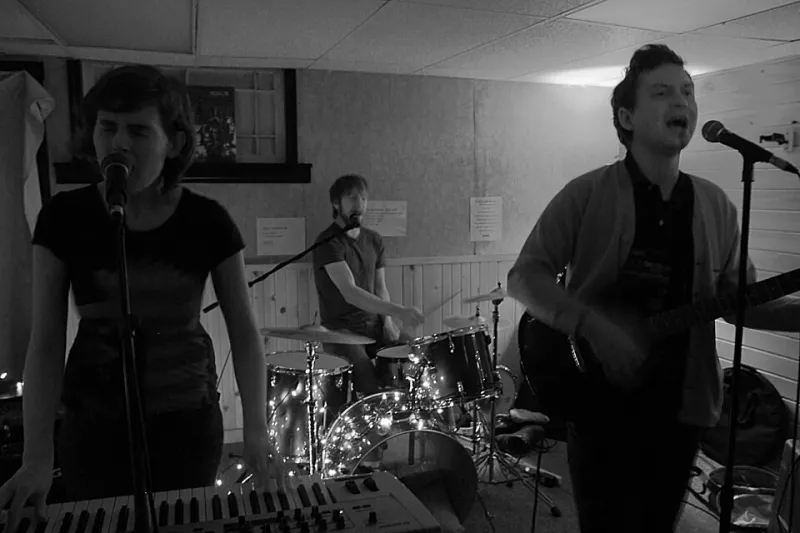
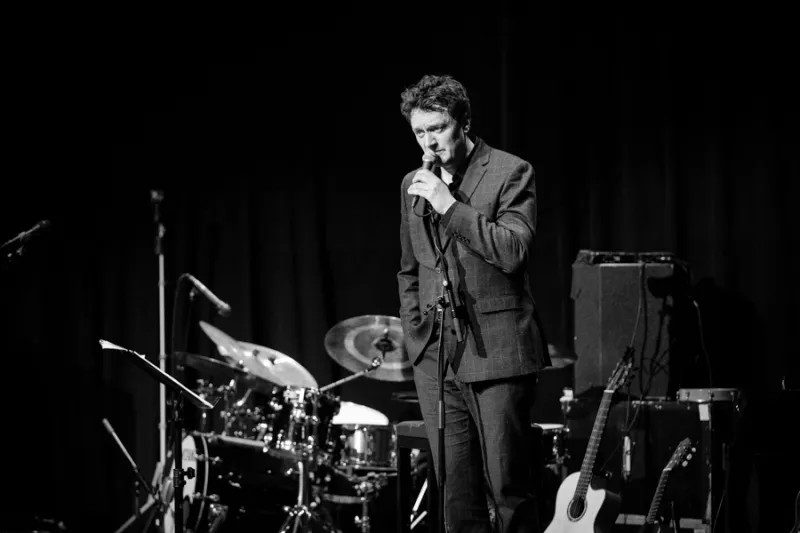
Photo: Martin Cathrae from Charlottetown, PE, Canada, CC BY-SA 2.0, via Wikimedia Commons
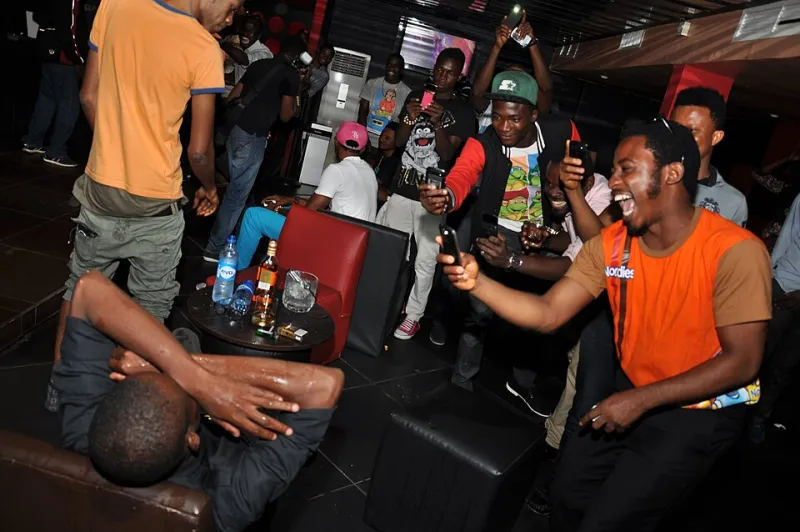
There's something that happens when you're standing forty feet from an artist who's about to be everywhere. The sound hits differently. The sweat is real. You make eye contact with the person next to you — a total stranger — and you both just know you're witnessing something. That feeling? You're not getting it at SoFi Stadium.
Across the US, a quiet revolution has been building inside rooms that seat 200, 500, maybe 800 people on a good night. Independent concert venues — the kind with sticky floors, hand-stamped wristbands, and bartenders who actually know the headliner by name — are increasingly functioning as the beating heart of live music discovery. And in an era when streaming has flattened the geography of music consumption, these physical spaces are doing something algorithmically impossible: they're building real cultural communities.
The Economics Nobody Talks About
Running an independent venue is not glamorous work. Margins are thin, booking is competitive, and the post-pandemic landscape hit small music spaces harder than almost any other entertainment sector. According to the National Independent Venue Association (NIVA), hundreds of US venues closed between 2020 and 2022, and many that survived did so through a combination of emergency federal funding, crowdfunding campaigns, and sheer stubbornness.
But here's the thing — the ones that made it are thriving in ways the industry didn't fully anticipate. With major arena tours increasingly pricing out casual fans (the average ticket price for a top-tier touring act crept past $120 in 2023), audiences are actively looking for alternatives. A $25 ticket to see a buzzing local act at a 400-cap room? That math hits differently, especially for younger fans who want the live experience without emptying their checking account.
For the venues themselves, survival has meant getting creative. Many have diversified their revenue streams — hosting private events, launching membership programs, partnering with local breweries and food vendors. Places like the 9:30 Club in Washington D.C., the Troubadour in Los Angeles, and First Avenue in Minneapolis have become genuine cultural institutions not just because of who plays there, but because of how they've woven themselves into their cities' identities.
The Artist Pipeline Nobody Sees Coming
Here's what the music industry understands but doesn't always say out loud: intimate venues are where careers actually begin. Not on playlists. Not on late-night TV. In rooms where the artist can see your face.
Booking agents and A&R reps have long used mid-size venue performance as a litmus test. Can this artist hold a room? Do they connect? Do people stay until the last song? These questions can't be answered by streaming numbers alone. A venue like the Bowery Ballroom in New York or the Echoplex in Los Angeles has served as a proving ground for artists who went on to fill arenas — and the venues themselves carry a kind of curatorial credibility because of it.
For emerging artists, landing a slot at a respected independent venue isn't just a gig. It's a signal. It tells the industry, the press, and the fans that someone with taste and skin in the game believes in what you're doing. That signal still carries weight in ways that a viral moment alone often doesn't.
Community Is the Product
Walk into any beloved independent venue on a busy Friday night and you'll notice something that's genuinely hard to manufacture: regulars. People who come back not just for specific artists but because the space itself means something to them. They know the sound engineer. They have a preferred spot near the stage. They've had conversations in that room that changed the direction of their lives.
This is the community dimension that major entertainment corporations have poured millions into trying to replicate — and largely failed. The intimacy of a small venue creates conditions for genuine cultural exchange. Genre lines blur. Audiences that might never overlap in other contexts end up sharing a room, a vibe, a moment. In cities with rich multicultural communities, these spaces often become some of the most genuinely integrated cultural environments around.
Venues that lean into this — that think of themselves as community spaces first and concert halls second — tend to build the kind of loyalty that weathers economic rough patches. They also tend to take more interesting booking risks, championing artists from underrepresented backgrounds or unconventional sounds that larger venues wouldn't touch until the trend is already over.
The Cultural Stakes Are Real
It's easy to frame the independent venue conversation purely in terms of economics or nostalgia. But the cultural stakes are actually pretty significant. These rooms are where American music culture gets made at the ground level — where regional sounds find national audiences, where subcultures develop enough momentum to become mainstream movements, where artists from communities that don't fit the standard industry template get a genuine shot.
Think about the role venues like the Fillmore in San Francisco played in shaping psychedelic rock, or what CBGB meant to punk, or how Houston's screwed-up club culture produced a sonic identity that eventually influenced global hip-hop. None of that happened in arenas. It happened in rooms where you could feel the bass in your chest and the crowd was close enough to breathe the same air as the band.
The venues doing that work today may not get the cultural credit until years from now. But make no mistake — they're out there, in mid-sized cities and overlooked neighborhoods, stacking nights that will matter. The smart move, for any music fan serious about being part of culture rather than just consuming it, is to find those rooms and show up before the rest of the world catches on.
How to Find Your Room
Not sure where to start? A few practical moves:
- Check NIVA's member directory at nivassoc.org — it's a solid list of independently operated venues across the country.
- Follow local venue social accounts, not just artist accounts. Venues often announce shows before they hit the major ticketing platforms.
- Talk to the staff. Seriously. The people who work at good independent venues tend to know music deeply and will point you toward things you'd never find on your own.
- Go to the opener. The support slot at an intimate venue is often where the next big thing is hiding in plain sight.
The big spectacles will always have their place. But if you want to actually feel music — to be part of the moment before it becomes a memory — the small room is still where it's at.