Fans With Formulas: Inside the World of DIY Artist Analytics
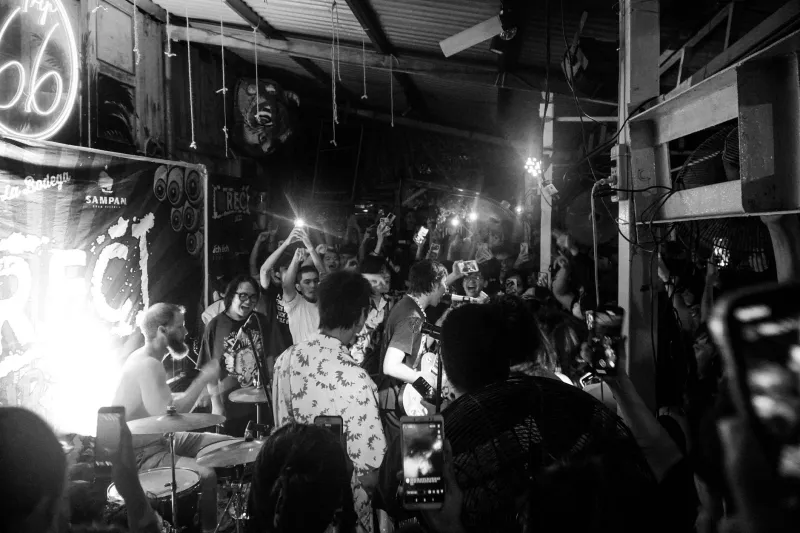
There's a specific kind of fan who, after a concert ends, doesn't go home and fall asleep replaying their favorite moments. Instead, they open a laptop, pull up a shared Google Sheet, and start logging data. Song order. Time between tracks. Which songs got extended jams. Whether the artist made any last-minute swaps. By morning, that information is cross-referenced against fifty previous shows, and the community already has a working theory about what the next setlist might look like.
This is the spreadsheet economy of modern fandom — and it's a lot more widespread than most people realize.
More Than Obsession, Less Than Stalking
Let's be clear about what we're talking about here. This isn't the stuff of true crime documentaries or parasocial horror stories. The fans building these databases aren't showing up at anyone's front door. They're doing something that looks a lot more like... data science. Voluntarily, enthusiastically, and often in deeply collaborative ways.
Sites like Setlist.fm have existed for years, but the behavior has evolved well beyond crowdsourced concert logs. Dedicated fan communities — particularly around artists like Taylor Swift, Phish, Beyoncé, Harry Styles, and a surprising number of indie and underground acts — have developed intricate tracking systems that catalog everything from album rollout timelines to the exact hour an artist tends to post on Instagram before a major announcement.
One Swiftie-run spreadsheet that circulated widely before the Eras Tour announcement had mapped every cryptic social media post Taylor Swift had made in the two years prior, color-coded by potential thematic connection. Fans used it to predict — with reasonable accuracy — both the tour announcement and some of the surprise album drops. That's not just enthusiasm. That's pattern recognition.
Why Fans Are Doing the Work Labels Used to Do
So what's actually driving this? Part of it is the algorithm problem. Streaming platforms and social media have made artist communication more opaque, not less. An artist can post something and it simply won't reach half their followers. Release announcements get buried. Tour dates show up in feeds days after tickets have already sold out.
Fans who feel burned by missed opportunities have responded by taking information management into their own hands. If you can't trust the algorithm to tell you when your favorite artist is dropping something, you build a system that doesn't need the algorithm.
But there's something deeper going on too. For a lot of these fans, the tracking is itself a form of participation. It transforms passive listening into active engagement. Instead of just consuming an artist's work, you're contributing to a shared body of knowledge about it. You become part of something — a research team, almost.
"It gives you a role," one fan in a Discord community dedicated to a mid-size indie artist explained. "Like, I can't play guitar or produce music, but I can maintain the tour history database. That's my contribution to the fandom."
The Data Itself Gets Interesting
What fans are actually compiling varies widely by community, but some of the more common categories include:
- Setlist archives: Every song played, in order, at every show, often going back decades for legacy artists
- Release pattern mapping: Tracking how many months pass between projects, single drops, and announcement windows
- Social media cadence logs: Documenting posting frequency, caption lengths, and engagement spikes to identify pre-announcement behavior
- Touring cycle analysis: Mapping geographic patterns to predict where an artist might tour next, or which cities are historically underserved
- Merch and collaboration timelines: Logging when drops happen relative to other career events
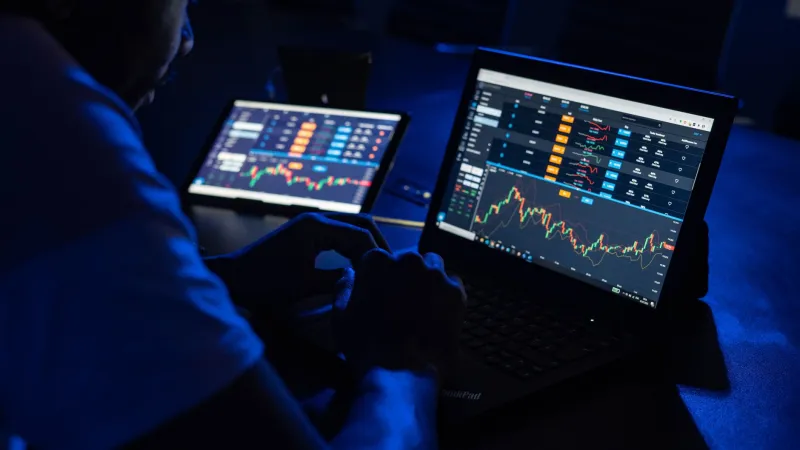
Some communities even pull in external data — Spotify streaming numbers, concert ticket resale prices, Reddit post frequency — and layer it all together into dashboards that would look right at home in a marketing analytics report.
For certain artists, this fan-generated data has become genuinely useful beyond the fandom itself. Music journalists have cited fan databases in reporting. Venues have reportedly used fan-compiled tour history to make pitches to booking agents. The information ecosystem that fans built for their own purposes has started bleeding into the professional music industry in quiet but real ways.
The Artist-Fan Relationship Gets Complicated
Not everyone is comfortable with all of this. Some artists have leaned into it — treating their most data-literate fans as a kind of engaged research community, even dropping deliberate clues that reward close attention. Taylor Swift's entire rollout strategy for the past several years has essentially been designed with the spreadsheet fan in mind. The easter eggs only work if someone is keeping meticulous records.
Other artists and their teams find it unsettling. There's a version of this tracking behavior that starts to feel like surveillance — particularly when fans are logging things like an artist's location check-ins, the time stamps on their Instagram stories, or patterns in their public appearances that might hint at personal relationships.
The line between "enthusiastic data collection about an artist's creative output" and "mapping someone's private life" isn't always clean. Fan communities themselves often debate this internally, with moderators setting guidelines about what's fair game to track and what crosses into territory that feels invasive.
Control in an Era of Uncertainty
There's a psychological thread running through all of this that's worth naming. Fandom has always been, in part, about managing emotional investment in something you can't control. You love an artist's music, you want more of it, and you have zero say in when it arrives or what it sounds like.
Building a database is a way of creating the illusion — or maybe the reality — of some control. If you can predict when an album is coming, the wait feels less passive. If you can map a tour's likely geography, you can plan your life around it instead of scrambling. The spreadsheet is a coping mechanism as much as it is an information tool.
And in an era where everything from streaming algorithms to social media feeds feels deliberately opaque, that hunger for transparency makes complete sense. Fans are essentially reverse-engineering the black box — not because they expect to find anything sinister inside, but because knowing how something works makes it feel less arbitrary.
A New Kind of Fan Expertise
What's emerged from all of this is a new kind of credibility within fan communities. The person who maintains the definitive setlist database, or who correctly predicted three consecutive album drops based on social media patterns, earns a kind of respect that has nothing to do with how loud they scream at concerts.
It's expertise, basically. Niche, community-specific expertise that doesn't translate to a resume but carries real weight inside the spaces where it lives.
And honestly? As the music industry gets more data-driven from the top down — labels using streaming analytics to decide which artists to sign, algorithms deciding which songs get promoted — it makes a certain kind of sense that the fans most invested in the outcome would start speaking the same language.
They didn't set out to become data scientists. They just really, really wanted to know when the next album was coming out. The spreadsheet followed naturally.