Passion to Paycheck: Inside the Booming World of Professional Fandom
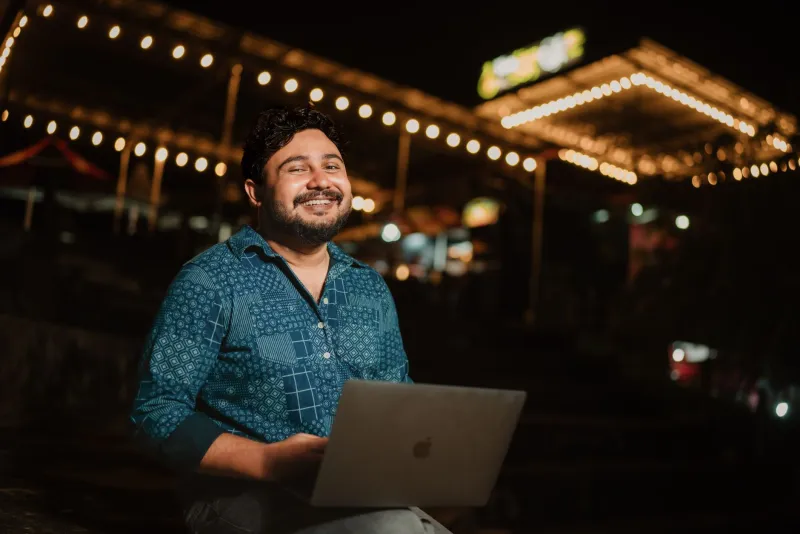
For most of her twenties, Dani Reyes spent her weekends building fan wikis, moderating Discord servers, and writing 3,000-word breakdowns of her favorite K-pop group's album rollouts. She wasn't getting paid. She was just that kind of fan. Then, one day, a mid-size entertainment brand slid into her DMs and offered her a community manager role — specifically because of the world she'd already built for free.
That was three years ago. Today she's pulling in just under six figures managing fan engagement for two separate artist teams, consulting for a convention organizer on the side, and running a Patreon where her own audience pays her to keep doing what she's always done.
"I never had a plan," she says. "I just never stopped caring."
Dani's story isn't a fluke. It's a pattern — and it's reshaping what a career in entertainment can actually look like.
The Market That Fandom Built
The superfan economy doesn't have a clean definition yet, but you know it when you see it. It's the Taylor Swift fan who gets hired by Ticketmaster to help design better presale experiences. It's the Marvel obsessive who parlays their YouTube essay channel into a content strategy gig at a studio. It's the sneakerhead who becomes a brand ambassador because no agency copywriter could ever write about a shoe drop with that kind of genuine heat.
What these careers share is a foundation of authentic enthusiasm — the kind you can't fake and can't manufacture in a boardroom. Companies have started figuring out that real fans, the ones who've spent years living inside a culture, carry institutional knowledge that consultants charge a fortune to approximate.
According to a 2023 report from Morning Consult, over 14% of American adults identify as "superfans" of at least one artist or entertainment franchise. That's a massive pool of deeply knowledgeable, highly motivated people — and brands are increasingly willing to pay to access them.
What the Jobs Actually Look Like
The professional fan landscape is wider than most people realize. Here's a rough map of where passion is turning into paychecks:
Community Managers are probably the most established role. Platforms, record labels, and streaming services all need people who can moderate, energize, and genuinely connect with fan communities online. The best ones aren't just doing customer service — they're cultural stewards who understand the unwritten rules of a fandom better than any HR hire ever could.
Content Creators and Fan Journalists have built entire media operations around their obsessions. Some are solo operations monetized through ads, subscriptions, and brand deals. Others have been absorbed into official media ecosystems — think fan-run podcasts that get licensed by the artist's own team, or independent newsletter writers who get press credentials and exclusive access.
Convention and Event Organizers represent a whole other tier. Fan conventions — from Comic-Con satellite events in mid-size cities to genre-specific gatherings for anime, horror, or true crime — are a multi-billion dollar industry. Many of the people running them started as attendees who thought they could do it better.
Brand Ambassadors and Consultants are perhaps the most corporate-facing version of this world. Companies launching products aimed at specific fan communities increasingly want someone who is that community, not someone who studied it in a PowerPoint deck.
The Money Is Real — But So Are the Trade-Offs
Here's where it gets complicated, and where Akonato thinks the real conversation needs to happen.
Turning a passion into a profession changes the passion. That's not a cynical take — it's just physics. When your livelihood depends on your enthusiasm, you start managing that enthusiasm differently. You think about what's useful to love, not just what moves you. You measure your opinions against their professional consequences.
Marco T., a longtime gaming and pop culture convention organizer based in Atlanta, puts it plainly: "There are things about fandoms I don't say publicly anymore. Not because I don't believe them, but because I have vendors and sponsors and relationships that depend on me staying neutral. The job changes what you're allowed to feel out loud."
There's also the question of access and equity. The fans who've successfully monetized their passion tend to share certain advantages — existing platforms, time to invest, and in many cases, proximity to the right industries. The superfan economy is real, but it's not equally distributed. A devoted fan in rural Kansas with the same knowledge as someone in Los Angeles isn't starting from the same place.
And then there's the emotional burnout nobody talks about enough. When your job is to be enthusiastic, what happens when the thing you love disappoints you? When an artist you've staked your professional identity on does something you can't defend? Several professional fans interviewed for this piece described a particular kind of exhaustion — not from overwork, but from having to perform a version of their fandom that's always on, always positive, always monetizable.
So Is It Worth It?
For a lot of people, the answer is yes — with eyes wide open.
The superfan economy rewards a very specific combination of things: deep knowledge, genuine voice, and the ability to build trust with an audience. Those aren't skills you learn in a semester. They're cultivated over years of caring about something more than was probably sensible.
If you're sitting on that kind of knowledge — whether it's about a music scene, a film franchise, a sports culture, or a niche subculture that mainstream media keeps getting wrong — there may be a market for it. Not necessarily a huge one, and not necessarily a stable one. But a real one.
The key, according to the people who've navigated it best, is staying connected to why you cared in the first place. The moment fandom becomes purely transactional, something essential disappears — and audiences can feel it. Authenticity isn't just a buzzword in this space; it's literally the product.
The Bigger Picture
What the superfan economy is really telling us is something broader about how American culture is reorganizing itself. The old gatekeepers — labels, studios, publishers — don't have the same stranglehold on who gets to participate in entertainment culture. Fans have built their own infrastructure, their own media, their own economies. And now those economies are mature enough to support actual careers.
That's genuinely exciting. It's also worth watching carefully — because the same forces that created space for passionate people to thrive can also commodify and flatten the very cultures they came from.
The best professional fans we talked to know this. They're walking a line every day between the hustle and the heart of it. And most of them wouldn't trade it for anything — even on the hard days.
Especially on the hard days.