Skip the Playlist: Why Independent Musicians Are Going All-In on the Live Experience Economy
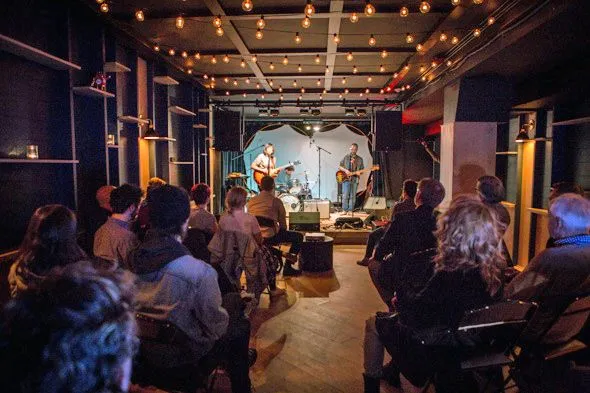
Photo: independent musician performing intimate live show small venue crowd, via i.pinimg.com
There's a number that keeps circulating in music industry conversations, and it never stops being jarring: Spotify pays artists somewhere between $0.003 and $0.005 per stream. Do the math on that. An independent artist needs roughly 250,000 streams just to pocket around a thousand dollars. For someone who isn't already famous, that's not a career — that's a treadmill.
So it probably shouldn't come as a shock that a meaningful chunk of independent and mid-tier musicians across the US have started treating streaming platforms less like a revenue source and more like a business card. The real money, the real connection, the real future? That's happening somewhere else entirely.
The Economics of Streaming — And Why They Don't Work for Most Artists
The streaming model was sold to the music world as democratization. Anyone could upload a track, anyone could theoretically go viral. And sure, that part is technically true. But the payout structure has always heavily favored volume over artistry, and volume means you need to already be big to benefit meaningfully.
Major label acts with massive marketing budgets and playlist placement deals can absorb the low-per-stream rates because they're racking up hundreds of millions of plays. For an indie artist sitting at 40,000 monthly listeners — which is actually a respectable audience — those numbers translate to something closer to grocery money than a living wage.
Beyond the raw payouts, there's the algorithmic dependency problem. Artists who chase Spotify playlists often end up tailoring their sound to what the algorithm rewards — shorter songs, familiar structures, instantly digestible hooks. It's not that those songs are bad. It's that the incentive to make them crowds out experimentation, and experimentation is how music culture actually moves forward.
The Pivot to Direct-to-Fan Everything
What's emerging in its place is something more personal and, frankly, more sustainable for a lot of artists. The model looks something like this: build a real audience through live shows, sell merchandise that means something, offer exclusive access through platforms like Patreon or Bandcamp, and treat your fanbase like a community rather than a metric.
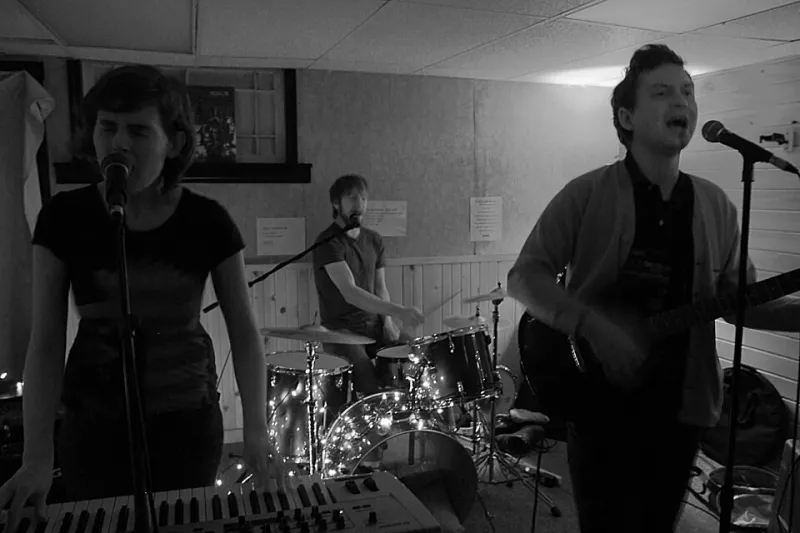
Live shows have always been where artists make their money. That's not new information. But what's shifted is how deliberately independent musicians are now structuring their entire business around the live experience rather than treating it as a supplement to their streaming presence. House concerts, intimate venue residencies, regional tours hitting mid-size cities that big acts skip over — these are becoming the primary strategy, not the backup plan.
Merchandise has evolved too. It's no longer just t-shirts and hats. Artists are selling limited-run vinyl pressings, handwritten lyric sheets, exclusive zines, even curated playlists burned onto USB drives. The point isn't the object itself — it's the artifact of belonging. Fans who buy these things aren't just consumers. They're participants.
What Artists Are Actually Saying
Talk to independent musicians working the circuit right now and a consistent theme comes up: the fans who find them through a live show or a friend's recommendation are qualitatively different from the ones who stumble across a track on a playlist. They stick around. They show up to the next gig. They tell other people.
One folk-rock artist based out of Nashville put it plainly in an interview last year: "I had a song hit a major editorial playlist and gained like 8,000 new followers in a week. By the next month, most of them were gone. But the 200 people who came to my show in Asheville? I still see half of them at every gig."
That's the distinction that matters. Streaming numbers can spike and crash based on algorithmic shifts that have nothing to do with your music. A dedicated live audience builds slowly but compounds. It's the difference between renting attention and owning it.
The Community Access Layer
Beyond live shows and merch, the artists seeing the most traction from this approach are layering in exclusive community access. Discord servers where fans get early track previews. Patreon tiers that include monthly video calls with the artist. Substack newsletters that go deeper into the creative process than any social media post ever could.
This isn't just about money, though the economics are genuinely better. A musician with 500 Patreon subscribers paying $10 a month is pulling in $5,000 monthly — more than most independent artists make from streaming with ten times the listener count. But the value exchange is also just more honest. Fans know where their money is going. Artists know their audience is real.
What This Means for Music Discovery
Here's the wrinkle in all of this: streaming platforms, for all their flaws, did serve as a discovery mechanism. If artists pull back from optimizing for those platforms, how do new listeners find them?
The answer seems to be through community itself. Word of mouth through niche online spaces — subreddits, TikTok subcultures, music-focused Discord servers, local scene Facebook groups — is doing a lot of the work that editorial playlists used to do. It's slower, more organic, and arguably more meaningful. When someone recommends a band in a community they trust, that recommendation carries weight.
There's also a geographic renaissance happening. Regional music scenes in cities like Richmond, Boise, Tucson, and Knoxville are producing artists who build deeply loyal local fanbases before ever worrying about national streaming numbers. That foundation, it turns out, travels.
The Bigger Picture
The streaming wars that dominated music industry headlines for the past decade were always primarily a battle between tech companies and major labels. Independent artists were mostly bystanders, playing by rules they had no hand in writing. The shift toward live experience economies and direct-to-fan models is, in a real sense, independent musicians opting out of that game entirely.
It won't work for everyone. Some genres are more suited to it than others. Artists who thrive on viral moments and algorithmic discovery aren't going to abandon streaming overnight. But for the growing number of musicians who want a sustainable career built on genuine relationships with real fans, the message is becoming pretty clear: the playlist isn't the destination anymore. The room is.