Too Close for Comfort: What Happens When the Artist You Love Starts Feeling Like a Friend
Photo: Razvan Socol, CC BY-SA 3.0, via Wikimedia Commons
The Velvet Rope Is Gone
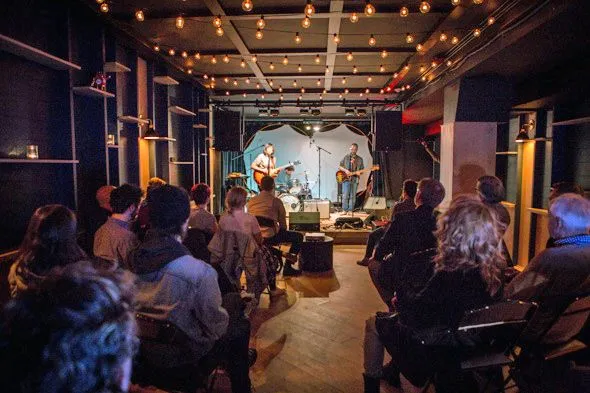
There used to be a wall. Not a literal one, but you felt it. Your favorite musician existed somewhere out there — on a stage bathed in spotlights, in a glossy magazine spread, maybe behind a tour bus window if you were lucky enough to catch a glimpse. The distance was part of the mythology. It was what made them feel larger than life.
That wall is basically rubble now.
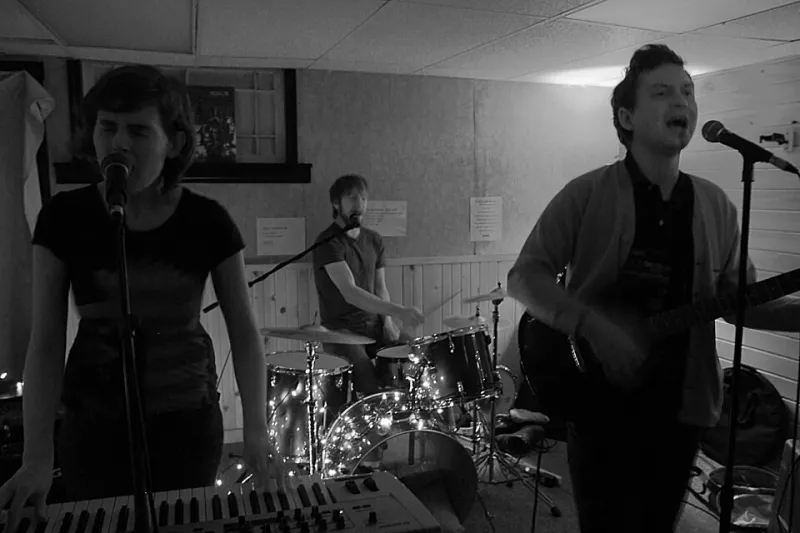
Today, a 22-year-old singer-songwriter in Nashville can wake up, post a voice memo of an unfinished song to TikTok, respond to forty comments before breakfast, and by noon have a thousand people who genuinely feel like they know her. Not know of her — know her. Her morning routine, her anxieties, her opinions on situationships and sourdough bread. The content pipeline never closes, and the intimacy it creates is real, even when the relationship technically isn't.
This is the creator-fan collapse — a slow, structural shift in how artists and audiences relate to each other, and it's reshaping music culture, fan communities, and what it even means to "make it" in America right now.
Parasocial Isn't a Dirty Word Anymore
Psychologists have studied parasocial relationships — one-sided emotional bonds with media figures — since the 1950s. For most of that time, the concept carried a slightly pitying undertone. You had a parasocial relationship with a TV host. That was kind of sad. Move on.
But the modern version is messier and harder to dismiss. When an artist replies to your comment, shares a behind-the-scenes clip that feels genuinely unguarded, or hosts a live stream where they're visibly tired and emotionally unfiltered, the "one-sided" part starts to feel less accurate. There's actual exchange happening. Fans send voice messages. Artists cry on camera. Communities form around shared investment in a person's journey.
The emotional weight is real. What gets complicated is when audiences start expecting reciprocity that creators simply cannot sustain at scale.
"I think people forget that even if an artist responds to ten comments a day, they might have two million followers," says one independent musician who runs an active Patreon community. "I genuinely love my fans. But I also can't be everyone's best friend. That's not physically possible, and pretending otherwise would be dishonest."
Authenticity as Currency — and Its Limits
Here's the uncomfortable irony at the center of all this: the closer artists get to their audiences, the more pressure they face to perform a version of closeness that feels real. Authenticity has become the most valuable currency in the attention economy, and audiences have gotten very good at sniffing out when it's manufactured.
For emerging creators, this creates a strange trap. You need to be open and relatable to build a following. But the more following you build, the more your "openness" gets scrutinized, dissected, and eventually weaponized. Share too little and you're accused of being fake. Share too much and you've handed strangers a map to your most vulnerable spots.
Some artists have started drawing harder lines — announcing social media breaks, limiting comments, or keeping certain parts of their lives completely offline. The response from fans is often… not great. There's a sense of betrayal that's genuinely strange when you examine it. The audience didn't sign a contract. But the expectation of access, once established, is surprisingly hard to walk back.
What "Making It" Looks Like Now
For previous generations of musicians, success had a pretty clear visual: a record deal, a major label push, radio airplay, maybe a Rolling Stone cover. The gatekeepers were powerful and visible, and getting past them meant something.
Now the metrics are different and, in some ways, more democratic — but also more exhausting. A creator with 80,000 deeply engaged followers on Patreon can be making a genuinely sustainable living while remaining completely unknown to anyone outside their niche. Is that "making it"? By the old rules, maybe not. By the new ones, absolutely.
But that model depends entirely on the health of the relationship between creator and community. The audience isn't just consuming content — they're often funding it directly, which adds a layer of obligation that traditional label deals never really had. When fans are paying your rent through monthly subscriptions, the power dynamic shifts in ways that aren't always comfortable to acknowledge.
The Human Cost Nobody Talks About
Burnout among creators isn't a new story, but the why behind it is evolving. It's not just the volume of content required. It's the emotional labor of maintaining intimacy with an audience that keeps growing while the creator stays one person.
There's also a grief element that doesn't get discussed enough. When artists do pull back — go quiet, set firmer boundaries, stop doing the casual livestreams — some fans experience it as a genuine loss. Not a metaphorical one. A real, felt sense that something meaningful has ended. That's worth sitting with, because it tells us something important about what people are actually looking for when they follow a creator's journey this closely.
They're not just looking for music. They're looking for connection, community, a sense of being part of something unfolding in real time. The art is almost secondary to the experience of witnessing someone build a life and a career from scratch.
So Where Does This Go?
The collapse of distance between artists and audiences isn't reversing. If anything, the tools for intimacy — spatial audio messages, interactive livestreams, AI-personalized fan experiences — are only going to get more sophisticated and more immersive.
What might shift is the cultural conversation around what fans are owed and what creators can reasonably give. The healthiest artist-fan relationships emerging right now tend to have something in common: transparency about the nature of the connection. Artists who are upfront — "I love this community, I read your messages, and I also have a life that exists entirely off-camera" — seem to build more durable, sustainable audiences than those who perform boundaryless access until they inevitably can't anymore.
The wall is gone. But maybe some thoughtfully placed windows aren't such a bad replacement.