When the Whole World Learns Your Dance: What Goes Lost — and What Gets Found — When Subcultures Go Viral
The Clip That Changes Everything
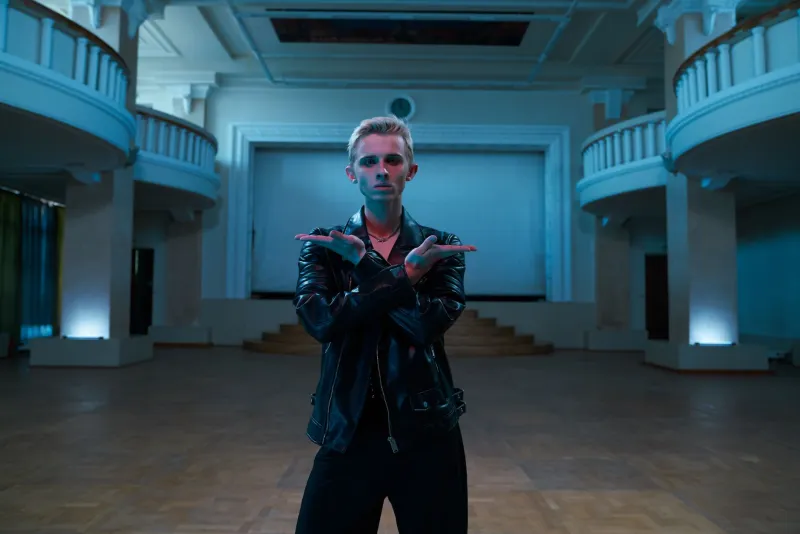
Somewhere in a Brooklyn loft, a ballroom dancer is watching a 16-year-old in Ohio do a watered-down version of a vogue dip — and getting 4 million likes for it. The original move took years of practice, mentorship, and community to master. The TikTok version took a weekend.
This is the reality of underground dance culture in 2024. What once lived in the carefully guarded spaces of Black and Latino ballrooms, basement Jersey club parties, and late-night Chicago footwork sessions is now everywhere — remixed, repurposed, and looped for an algorithm that doesn't know or care about the history behind a single step.
But here's the complicated part: a lot of the people from those communities are on TikTok too. Some of them are going viral themselves. And not everyone agrees on whether that's something to celebrate.
Built in the Underground, Exported to the Feed
Ballroom culture — the elaborate pageantry of houses, categories, and walking competitions that originated among Black and Latino LGBTQ+ communities in New York — has been having what outsiders might call a "moment" for a few years now. Pose brought it to TV. Beyoncé nodded to it on Renaissance. And TikTok has turned individual moves — the dip, the death drop, the runway — into visual shorthand that teenagers across the country now recognize without any context.
Jersey club, the frenetic, sample-heavy DJ culture that grew out of Newark and surrounding areas, has had a similar ride. Its signature chopped rhythms and call-and-response energy started showing up in viral dance clips around 2021 and haven't really stopped. Same story with Chicago footwork, the lightning-fast, rhythmically intricate style that emerged from the city's ghetto house scene in the '90s.
In each case, the pattern is familiar: a subculture spends decades developing a distinct identity, language, and set of values. Then a 15-second clip hits the algorithm just right, and suddenly the whole thing is everyone's.
"It's Exposure, But It's Not the Full Picture"
Dancers and choreographers who come from these scenes tend to hold two things at once when they talk about virality. There's genuine appreciation for the visibility — and genuine grief about what gets left behind.
"When people learn the move without learning the meaning, it becomes a costume," says one New York-based ballroom performer who has been in the scene for over a decade. "The dip isn't just a cool trick. It comes from somewhere. It has weight. You lose that when it's just content."
That weight includes the history of communities that created these art forms as acts of survival and self-definition. Ballroom emerged as a space where queer Black and brown people could compete, be celebrated, and belong at a time when mainstream culture offered them almost nothing. Jersey club was a regional sound built by DJs who were ignored by major labels. Footwork grew out of Chicago neighborhoods that the music industry consistently overlooked.
When those cultures go mainstream through TikTok, the moves travel — but the context often doesn't. What arrives in the algorithm is the aesthetic without the archive.
The Opportunity Is Real, Too
It would be unfair to tell the whole story as pure loss, though. Plenty of dancers from these communities have used TikTok's reach to build platforms, book gigs, and connect with audiences they never would have reached otherwise.
Footwork pioneer Litebulb has spoken publicly about how online visibility helped introduce his work to international audiences. Several ballroom figures have gone from underground legends to mainstream collaborators with major artists — in part because the cultural moment created by viral exposure opened doors. Jersey club DJs like Uniiqu3 have seen their profiles rise alongside the genre's broader recognition.
"I'm not mad that people know what this is now," one choreographer from the Jersey club scene said. "I'm just particular about who gets to tell the story. If my culture is going to be everywhere, I want people from my culture to be the ones getting paid and credited."
That tension — between visibility and credit, between reach and respect — is really what this conversation is about.
The Appropriation Question Nobody Wants to Sidestep
Cultural historians who study popular music and dance are careful to point out that this isn't a new dynamic. Blues became rock and roll. Funk became pop. Hip-hop has been absorbed, diluted, and sold back to mainstream audiences in some form for 40 years. TikTok didn't invent cultural appropriation — it just made the pipeline faster and more visible.
What's different now is that the original creators are often watching in real time as their work gets remixed and reposted without credit. And sometimes the creator of a viral "trend" is a white influencer with a million followers, while the Black dancer who originated the move has a fraction of the reach and none of the brand deal.
Platforms have made some noise about attribution — TikTok has rolled out features meant to help with crediting — but the structural incentives still reward whoever posts the most watchable version of something, not whoever made it first.
What Keeps the Culture Alive
The communities that built these dance forms are resilient in ways that algorithms can't fully account for. Ballroom still has its houses, its mentorship structures, its internal language that doesn't translate cleanly into a caption. Jersey club still has its regional identity and its specific party culture that a TikTok trend can gesture toward but never fully replicate. Footwork still has its competitive events and its technical demands that filter out casual participants.
In other words, the culture has a floor — a core that holds even when the surface gets scraped off and circulated online. The people inside it know the difference between someone who's been in the scene for years and someone who learned three moves from a compilation video. That distinction still matters, even if TikTok can't see it.
"The community is the culture," one veteran dancer put it simply. "You can take the steps, but you can't take what we have with each other."
The Feed Moves On — The Culture Doesn't
Here's the thing about TikTok trends: they peak, they plateau, and then the algorithm finds something new to amplify. The communities that created these dance forms were around before the platform existed, and they'll still be around when the next cycle of virality moves on to something else.
What changes — maybe permanently — is the cultural landscape those communities operate in. Once a subculture has been seen by millions, it can't go back to being invisible. That has real consequences for the gatekeeping, the intimacy, and the sense of ownership that made these spaces meaningful in the first place.
For dancers and cultural communities navigating this moment, the challenge isn't really about stopping the spread. It's about staying connected to why the art form existed in the first place — and making sure the people who built it don't get written out of their own story while the rest of the world is busy learning the steps.